ByJohn A
The Future of Smart Technology in Education
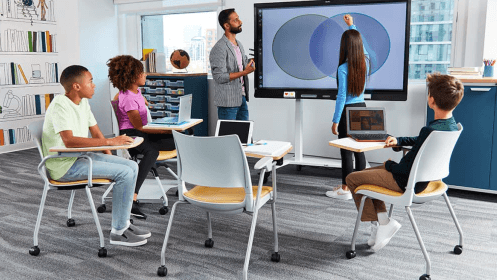
Smart technology in education promises personalized, scalable learning powered by AI insights that adapt content, pace, and feedback. Tools offer dashboards for teachers, targeted supports, and data-informed decisions, while safeguards focus on privacy and equity. Implementation demands careful pilots, clear governance, and ongoing professional development. The balance of human-centered design with rigorous ethics remains essential as schools explore practical, sustainable deployments—leaving stakeholders with consequential choices that will shape outcomes for years to come.
What Is the Promise of Smart Tech in Classrooms?
The promise of smart technology in classrooms centers on enhancing personalization, accessibility, and efficiency without sacrificing pedagogical clarity. Implementations support adaptive assessment and real time feedback, enabling learners to navigate pacing and challenges with confidence. Evidence suggests reduced barriers, improved engagement, and scalable support. Practitioners benefit from data-informed decisions, while students gain autonomy, resilience, and a clearer path toward mastery through transparent, practical tooling.
How AI Personalizes Learning and Supports Teachers
AI personalizes learning by tailoring content, pacing, and supports to individual student profiles, enabling learners to engage with material that matches their readiness and interests while providing teachers with actionable insights.
AI personalization enables adaptive paths, real-time feedback, and data-driven planning, reducing guesswork.
Teacher support emerges through targeted recommendations, classroom dashboards, and scalable interventions, fostering efficient instruction and student momentum in forward-thinking, student-centered environments.
Balancing Privacy, Equity, and Human-Centered Design
Balancing privacy, equity, and human-centered design requires a disciplined approach that foregrounds ethical data practices, inclusive access, and user-centric interfaces. Institutions establish robust privacy safeguards, clear consent, and minimal data collection. Designs prioritize equitable access across demographics, accessibility, and multilingual support. Evidence shows that transparent governance, ongoing evaluation, and stakeholder collaboration sustain trust while advancing innovation, without compromising autonomy or learning outcomes. Forward-looking systems respect freedom and responsibility.
Implementing Smart Tools: Practical Steps and Pitfalls
Implementing smart tools in educational settings requires a disciplined, evidence-based workflow that builds on established privacy, equity, and human-centered design principles. Institutions should map goals to tools, pilot with transparent metrics, and iteratively refine practices.
Key considerations include privacy safeguards, robust data governance, and ongoing staff training. Awareness of potential pitfalls informs procurement, implementation timing, and scalable, student-centered outcomes.
Frequently Asked Questions
How Will Smart Tech Affect Student Motivation Long-Term?
Smart tech is likely to improve motivation dynamics and sustain engagement over time, as adaptive feedback and personalized goals align with learner needs; however, effects depend on equitable access, thoughtful integration, and ongoing evaluation of outcomes and motivation drivers.
What Are the Costs of Sustaining Smart Classroom Tools?
Costs of sustaining, long term budgeting: the analysis shows ongoing hardware refresh, software licenses, cybersecurity, and training as principal expenses; institutions must forecast depreciation, inflation, and support labor to ensure practical, evidence-based, forward-thinking implementation for freedom-minded audiences.
See also: The Future of Smart Technology in E-Commerce Growth
Can Smart Tech Replace Human Educators Entirely?
Smart tech cannot replace human educators entirely; replacement scenarios raise ethical concerns about automation. Evidence suggests complementary roles improve outcomes, though replacing teachers remains unlikely. Practical, forward-thinking approaches emphasize ethics of automation and preserving professional judgment for learners seeking freedom.
How Do We Ensure Accessibility for All Learners?
Accessibility for all learners is achieved by enforcing accessibility standards and applying universal design, ensuring interfaces, content, and assessments are usable across diverse abilities; practical, evidence-based approaches foster forward-thinking education while respecting learner autonomy and freedom.
What Safeguards Prevent Data Misuse in Schools?
Data privacy safeguards in schools include strict access controls, data minimization, and encryption, while ethical governance ensures transparent use and ongoing audits; like a vigilant compass, they guide practice toward secure, accountable, forward-looking educational technology.
Conclusion
The article concludes that smart technology, when grounded in evidence and pedagogy, can meaningfully enhance learning without eroding trust. By weaving AI-driven personalization with transparent governance, teachers gain actionable insight while maintaining student dignity and autonomy. Implementation should proceed through pilots, clear workflows, and ongoing professional development, mitigating risk and sustaining equity. In essence, technology acts as a compass rather than a substitute, guiding instructional decisions toward deeper understanding—yet the destination remains human-centered, collaborative, and ethically anchored. Metaphor: a lighthouse for learning.