ByJohn A
What Are Utility Tokens in Crypto Projects?
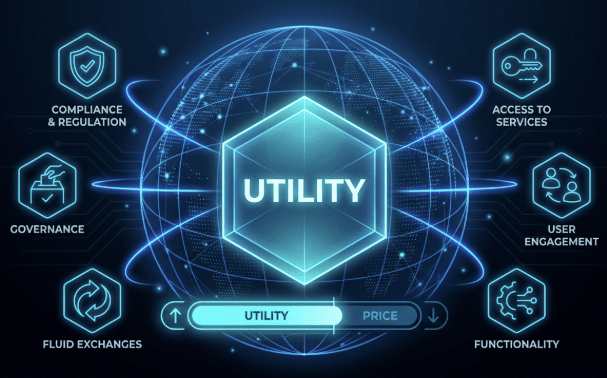
Utility tokens are digital assets that grant access to a product or service within a blockchain ecosystem, not ownership in the issuing entity. They enable direct participation, scalable governance, and incentive alignment among users. Their value rests on real-world utility, interoperability, and transparent issuance. Distinctions from securities hinge on functional use and risk disclosures. Designing token economies involves governance models and incentive structures, while regulation varies by jurisdiction. The balance of utility, risk, and compliance leaves a critical question open for further examination.
What Exactly Are Utility Tokens in Crypto?
Utility tokens are digital assets that grant holders access to a product or service within a blockchain-based ecosystem without conferring ownership in the issuing entity.
The definition requires conceptual clarity, distinguishing them from securities and commodities.
This framing highlights regulatory nuances, emphasizing objective criteria, functional use, and transparent issuance, while maintaining a detached analysis that informs readers seeking freedom through informed participation.
See also: wwwtheboringmagazine
Why Utility Tokens Matter: Real-World Use Cases and Problems They Solve
The usefulness of tokens that grant access to a product or service becomes clearer when real-world problems are examined alongside the prior definition of utility tokens. Utility tokens enable direct participation, align incentives, and enable scalable governance structures. Real-world use cases include token governance and brand incentives, which help coordinate networks, reward sustained engagement, and reduce friction in value exchange without unnecessary intermediaries.
How Utility Tokens Differ From Securities and Other Token Classes
Determining how utility tokens differ from securities and other token classes requires separating functional characteristics from legal and financial classifications. Utility tokens serve specific functions within ecosystems, while securities implicate investment expectations and regulatory oversight. Token standards, such as interoperability criteria, and governance models, influence classification, risk, and compliance considerations, guiding designers toward transparent, verifiable terms and interoperable, accountable tokenized systems.
Designing, Regulating, and Valuing Utility Token Economies
What approaches underpin the design, regulation, and valuation of utility token economies, and how do these elements interact to produce robust, sustainable ecosystems? The analysis emphasizes design considerations, governance models, and incentive structures, aligning token utility with real-world use. Regulatory implications vary by jurisdiction, demanding transparent disclosures and risk mitigation. Empirical assessment, market signals, and sound economics guide resilient, adaptable frameworks for responsible innovation.
Conclusion
Utility tokens grant access to a product or service within a blockchain ecosystem, rather than ownership in the issuer. They enable scalable governance, direct participant incentives, and interoperable use across platforms. Unlike securities, their value derives from utility and network activity, not equity. Effective design blends governance models, incentive alignment, and real-world applicability, while regulatory compliance hinges on transparent disclosures and robust risk controls. In this landscape, “slow and steady wins the race” echoes: steady utility builds enduring ecosystems.