ByJohn A
Factors to Consider When Purchasing Wholesale Plain T-Shirts in Bulk
Buying apparel in bulk is a common practice for clothing brands, promotional product companies, event organizers, schools, nonprofits, and businesses. Bulk purchasing can help reduce costs, improve inventory planning, and support long-term apparel programs. However, selecting the right garments requires more than simply finding the lowest price.
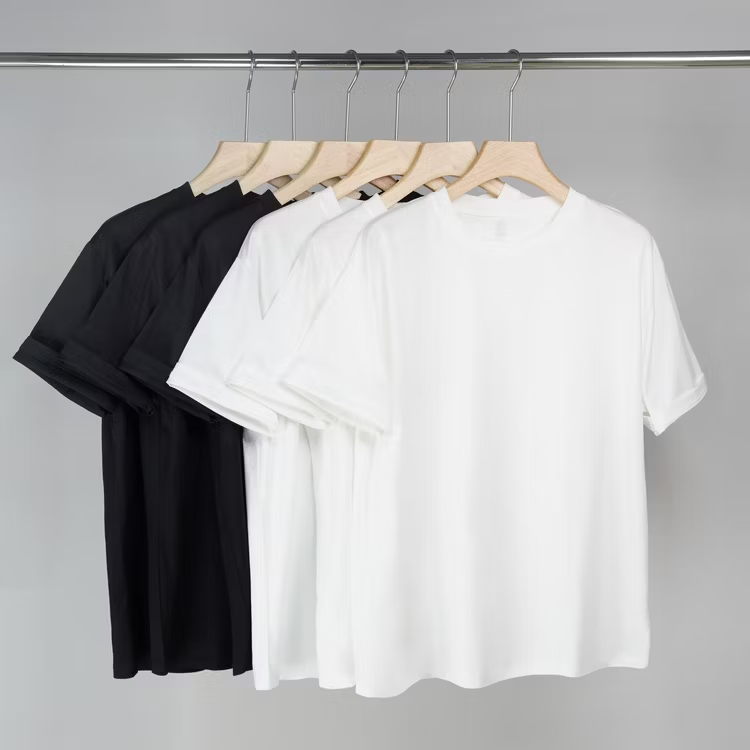
The quality, fit, durability, and consistency of the shirts can significantly affect customer satisfaction and overall business results. This is especially true when purchasing wholesale plain t-shirts, which often serve as the foundation for custom printing, branding projects, retail sales, and organizational apparel programs.
Understanding the factors that influence apparel purchasing decisions can help businesses make smarter investments and avoid common mistakes.
Why Bulk Apparel Purchasing Requires Careful Planning
When organizations purchase large quantities of apparel, every decision becomes more important.
A small issue in a single shirt can become a much larger problem when hundreds or thousands of garments are involved. Poor fabric quality, inconsistent sizing, or unreliable supply can lead to increased costs and operational challenges.
Because of this, businesses should evaluate multiple factors before committing to a bulk apparel order.
This approach helps improve long-term value while reducing the risk of unexpected issues.
Understanding the Purpose of the Purchase
Before selecting any garment, it is important to determine how the shirts will be used.
Different applications often require different priorities.
Retail Clothing Brands
Brands selling apparel directly to consumers typically focus on quality, fit, and overall customer experience.
The selected garment becomes part of the brand’s reputation, making quality control particularly important.
Promotional Campaigns
Businesses using apparel for marketing purposes may prioritize affordability, visibility, and broad audience appeal.
In these situations, garments must still provide enough quality to encourage long-term use.
Uniform Programs
Employee uniforms often require durability and consistent appearance because garments are worn frequently and washed regularly.
Understanding the intended use helps narrow the selection process.
Fabric Quality Should Be a Priority
One of the most important considerations when purchasing wholesale plain t-shirts is fabric quality.
The material influences comfort, durability, appearance, and overall customer satisfaction.
Cotton Options
Cotton remains a popular choice for many apparel applications because of its widespread acceptance and everyday wearability.
Many retail brands and promotional programs continue relying on Cotton T-shirts for their comfort, versatility, and consistent performance in daily wear.
These garments are often selected because they provide a reliable balance between quality and practicality for bulk apparel purchases.
Polyester Alternatives
Polyester garments are often selected for performance-oriented applications where durability and moisture management are important.
These fabrics are commonly used in sportswear, activewear, and outdoor apparel programs.
Fabric Blends
Blended fabrics provide additional flexibility by combining characteristics from multiple materials.
They can help organizations balance durability, wearability, and maintenance requirements.
Why Consistency Matters in Bulk Orders
Consistency is one of the most important factors in large apparel purchases.
Customers and end users expect garments to maintain similar quality regardless of when they are produced.
Uniform Appearance
Consistent garments help organizations maintain a professional image.
Whether apparel is being sold, distributed, or worn by employees, a uniform appearance contributes to a stronger overall presentation.
Reliable Production Standards
Inconsistent garments can create complications during customization and fulfillment.
Businesses often prefer suppliers capable of delivering dependable product quality across multiple orders.
This reliability becomes increasingly valuable as order volumes grow.
Evaluating Garment Fit and Sizing
Fit plays a major role in customer satisfaction.
Even high-quality garments can generate complaints if sizing does not align with user expectations.
Understanding Your Audience
Different audiences often prefer different fits.
Some customers may prefer relaxed silhouettes, while others favor more modern or athletic styles.
Understanding target customer preferences can improve purchasing decisions.
Maintaining Sizing Consistency
Sizing consistency becomes particularly important when purchasing apparel in bulk.
Predictable sizing helps reduce returns and improves the overall customer experience.
See also: The Future of Smart Technology in Education
Durability and Long-Term Value
Price is important, but long-term value often provides a more accurate measure of a garment’s true cost.
Supporting Repeated Wear
Durable apparel remains useful longer.
This is especially important for organizations distributing shirts at events or selling products directly to consumers.
A garment that maintains its appearance over time creates a more positive impression.
Reducing Replacement Costs
Businesses operating uniform programs or ongoing promotional initiatives often benefit from apparel that requires less frequent replacement.
Durable garments can help improve budget efficiency over the long term.
Supplier Reliability Is Essential
The quality of a garment is important, but so is the reliability of the supplier providing it.
Supporting Inventory Availability
Product shortages can disrupt operations and delay projects.
Working with dependable suppliers helps businesses maintain more consistent inventory planning.
Building Long-Term Relationships
Many successful apparel businesses develop long-term relationships with trusted suppliers.
Companies such as Simplstc Apparel understand that consistency, communication, and dependable product availability contribute to stronger customer partnerships.
Reliable sourcing often becomes a competitive advantage as businesses grow.
Why Customization Requirements Matter
Many bulk apparel purchases involve some form of customization.
Organizations often add logos, branding, artwork, or event graphics to blank garments.
Supporting Printing and Decoration
The selected shirt should align with the intended customization method.
A suitable garment helps improve the final appearance while supporting production efficiency.
Maintaining Design Quality
A strong design can lose impact if applied to a poor-quality garment.
Selecting dependable apparel helps maximize the effectiveness of customized branding efforts.
Cost Considerations Beyond the Purchase Price
Many buyers focus heavily on the cost per shirt.
While pricing is important, additional factors should also be considered.
Evaluating Total Value
The least expensive option may not always provide the best overall value.
Durability, consistency, customer satisfaction, and supplier reliability all influence the true cost of an apparel purchase.
Supporting Business Growth
Investing in quality garments can strengthen customer relationships and contribute to repeat business.
These long-term benefits often outweigh small differences in initial purchase costs.
The Future of Bulk Apparel Purchasing
The apparel industry continues evolving as businesses seek greater efficiency and product consistency.
Advances in manufacturing, fabric technology, and supply chain management are helping organizations make more informed purchasing decisions.
As demand for customized apparel, retail clothing, and branded merchandise continues growing, wholesale plain t-shirts will remain an important category for businesses across multiple industries.
Their flexibility and broad applicability make them a dependable solution for a wide range of apparel programs.
Conclusion
Purchasing wholesale plain t-shirts in bulk involves more than comparing prices. Fabric quality, fit, durability, consistency, supplier reliability, and customization requirements all play important roles in determining long-term value.
By evaluating these factors carefully, businesses can make more informed decisions and create apparel programs that support customer satisfaction, operational efficiency, and sustainable growth. A thoughtful purchasing strategy helps maximize the benefits of bulk apparel investments while reducing unnecessary risks.